When you walk into your home after a long day in the bustling streets of Kathmandu, the last thing you want to deal with is a flickering light or a burning smell coming from behind your walls. Unfortunately, electrical wiring problems in Nepal houses are more common than many of us realize. Whether it is an older building in the heart of Patan or a modern bungalow in Budhanilkantha, faulty wiring poses a significant risk to both your property and your family's safety.
Understanding the root causes of these issues is the first step toward a safer home. In many cases, the infrastructure in our valley combined with the rapid adoption of high-power modern appliances puts an immense strain on electrical systems that were never designed to handle such loads. This guide will walk you through the most frequent house wiring issues Kathmandu residents face, how to identify them, and why hiring a certified electrician in Nepal is non-negotiable for professional repairs.
The Reality of Electrical Systems in Nepal
For decades, house construction in Nepal followed traditional methods where electrical systems were often an afterthought. Many older homes still rely on wiring that is 20 or 30 years old. While these systems worked fine for a few light bulbs and a radio, they are now being forced to power refrigerators, washing machines, electric geysers, and induction cooktops simultaneously.
This "load gap" is the primary driver of most electrical wiring problems in Nepal houses. When a system is overloaded, wires heat up, insulation melts, and the risk of a house fire increases exponentially.
Common House Wiring Issues in Kathmandu
Living in the Kathmandu Valley presents specific environmental and infrastructural challenges that directly impact your home’s electrical health.
1. Overloaded Circuits
This is perhaps the most frequent issue. With the rising cost of cooking gas, many households in Kathmandu have switched to induction or infrared stoves. These appliances draw massive amounts of current. If your kitchen was wired for basic lighting, the existing wires will struggle to keep up, leading to tripped MCBs (Circuit Breakers) or, worse, melted wires inside the walls.
2. Lack of Proper Grounding (Earthing)
A common mistake in many Nepali construction projects is the neglect of a proper "earthing" system. Grounding provides a safe path for excess electricity to travel into the ground during a surge or a fault. Without it, that excess energy can travel through your appliances—or through you—resulting in electric shocks.
3. Aging and Brittle Insulation
In older parts of Kathmandu, Bhaktapur, and Lalitpur, the rubber or plastic insulation surrounding copper wires has become brittle over time. Dust, heat, and age cause the insulation to crack, exposing live wires. When these exposed wires touch metal pipes or each other, it leads to short circuits.
4. Impact of the 2015 Earthquake
Many people forget that the 2015 earthquake didn't just damage visible walls; it also shifted the internal structures of houses. These shifts often pinched or pulled concealed electrical conduits, damaging the wiring inside the walls. If you live in an older house that survived the quake, your house wiring issues Kathmandu might be hidden deep within the masonry.
5. Moisture and Monsoon Damage
Nepal’s heavy monsoon season brings significant humidity. If your house has seepage issues or "dampness" on the walls, moisture can enter electrical junction boxes. Water and electricity are a dangerous mix, often leading to sparking and corrosion of terminals.
How to Identify Wiring Problems Early
You don't need to be a professional electrician in Nepal to notice when something is wrong. Keep an eye (and an ear) out for these warning signs:
Flickering or Dimming Lights: If your lights dim when the refrigerator or pump kicks in, your circuit is likely overloaded.
Burning Smells: An acrid, plastic-like smell is a major red flag. It means wires are overheating and the insulation is melting.
Sparking Outlets: If you see a spark when plugging in an appliance, the connection inside the socket is likely loose or damaged.
Buzzing Sounds: A healthy electrical system is silent. Any buzzing or humming from a switchboard indicates a loose connection or a faulty arc.
Discolored Wall Plates: If the plastic around your switches looks charred or yellowed, heat is building up behind the plate.
Why Professional Service is Needed
It is a common habit in Nepal to call a local "handyman" or try to fix wiring issues ourselves to save a few hundred rupees. However, electricity is unforgiving.
Hiring a certified electrician in Nepal ensures:
Correct Wire Gauging: Professionals know exactly which thickness (gauge) of wire is needed for specific appliances.
Safety Standards: Certified technicians use insulated tools and follow protocols to ensure the house remains safe long after they leave.
Future-Proofing: A professional won't just patch a hole; they will look at your overall load and suggest upgrades to prevent future failures.
How Sajilo Sewa Solves Your Wiring Problems
Sajilo Sewa was built to bridge the gap between homeowners and reliable, skilled professionals. We understand that finding a trustworthy electrician in Nepal can be a daunting task, which is why we have standardized the entire process.
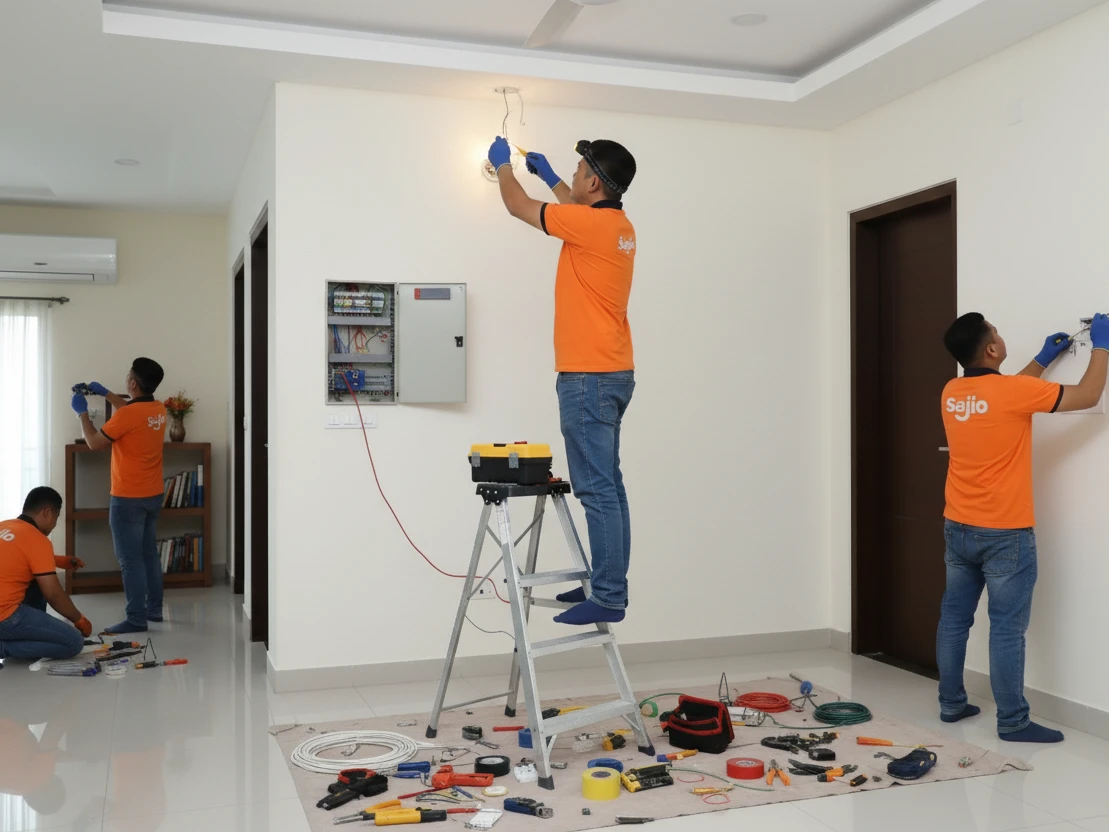
Whether you are dealing with a minor switch repair or require a complete house rewiring, Sajilo Sewa provides experts who are trained, background-verified, and equipped with the right tools for the job.
The Sajilo Sewa Difference
We don't just send "someone who knows electric work." We send specialists who understand the local electrical landscape of the Kathmandu Valley. Our technicians are experienced in handling everything from modern modular switches to the older "batten" wiring systems still found in many traditional homes.
Step-by-Step Booking Process
Getting your home's wiring checked is simpler than ever with the Sajilo Sewa platform.
Visit the Platform: Go to the Sajilo Sewa website or download our mobile app.
Select Electrical Category: Navigate to the "Electrical" section and choose the specific service you need (e.g., General Inspection, Repair, or Fitting).
Choose Your Schedule: Select a date and time that is convenient for you. We value your time and aim for punctuality.
Technician Assignment: We match you with a certified professional in your area (Kathmandu, Lalitpur, or Bhaktapur).
Inspection & Quote: The technician will inspect the issue and provide a clear, transparent quote for any materials needed.
Service Completion: Once you approve, the work is carried out professionally.
Easy Payment: Pay via cash or your favorite digital wallet (eSEWA, Khalti, etc.) after the job is done.
Benefits of Using Sajilo Sewa
30-Day Workmanship Warranty: We stand by our work. If the same issue persists within 30 days, we fix it for free.
Transparent Pricing: We maintain a standard labor charge starting at Rs. 350 per unit, with a minimum service charge of Rs. 650. No more hidden costs or stressful bargaining.
Verified Experts: Every electrician in Nepal on our platform undergoes a rigorous vetting process to ensure your home is in safe hands.
Convenience: From your mobile screen to your doorstep, we handle the logistics so you don't have to.
Pricing and Trust Factors
In the home service industry, trust is the most important currency. We believe in being upfront about our costs so there are no surprises.
Service Type Estimated Labor Charge Power Socket Fitting Rs. 350Light Point Fitting Rs. 550MCB Replacement Rs. 500 General Inspection Included in Min. Charge Minimum Service ChargeRs. 650
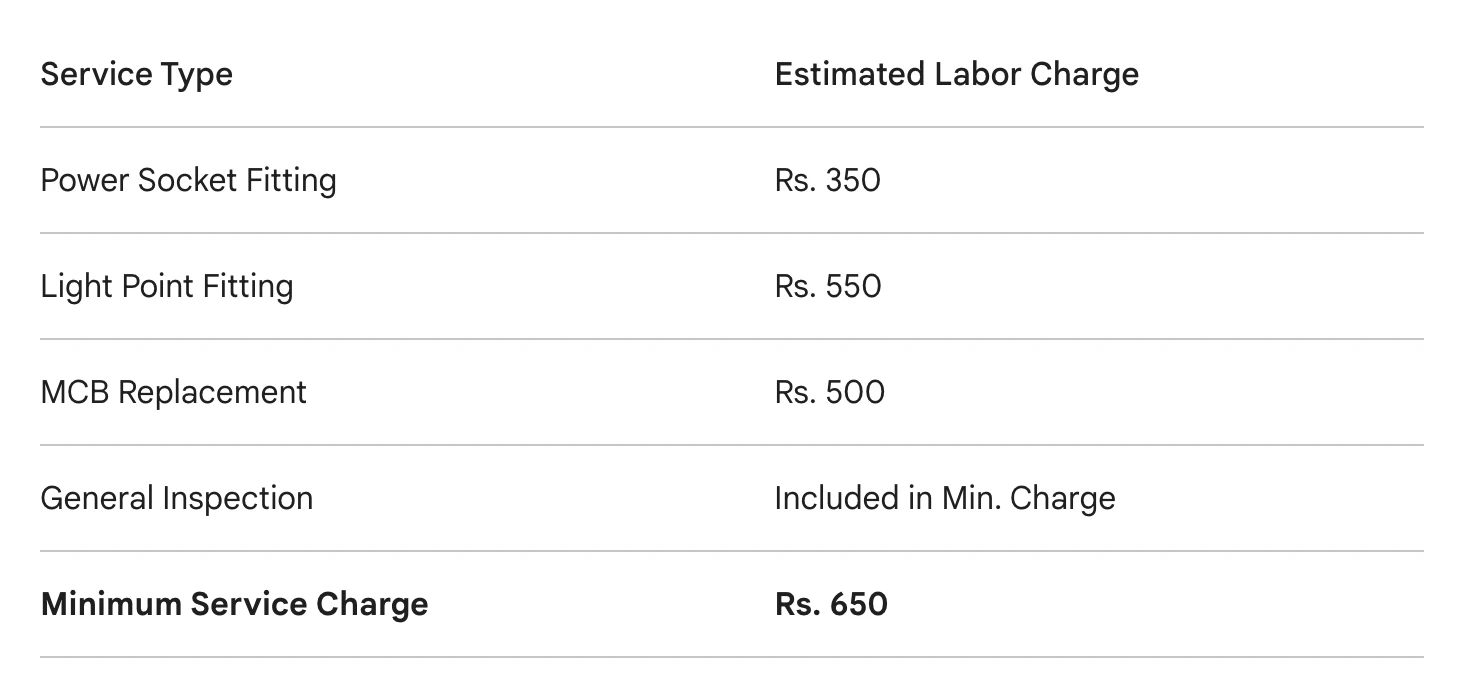
Note: Material costs (wires, switches, etc.) are extra and are based on the current market price or can be provided by the customer.
Conclusion
Ignoring electrical wiring problems in Nepal houses is a risk no homeowner should take. From the unique challenges posed by Kathmandu's humidity to the high demands of modern appliances, your electrical system requires professional attention to stay safe and efficient. By identifying the warning signs early and choosing a trusted, certified service provider, you protect your home, your electronics, and most importantly, your family.
Don't wait for a small spark to become a major emergency. Secure your home's future today with a comprehensive electrical check-up.
Book your service now with Sajilo Sewa for fast, trusted home service in Kathmandu.
Frequently Asked Questions (FAQs)
1. How often should I have my house wiring inspected?
If your house is more than 15 years old, we recommend a professional inspection every 2–3 years. For newer homes, an inspection every 5 years is sufficient unless you notice warning signs like flickering lights or buzzing sounds.
2. Why does my MCB trip every time I turn on the induction stove?
This usually happens because the induction stove draws more current than the MCB or the wire is designed to handle. You likely need a dedicated circuit with a higher-rated MCB and thicker wiring specifically for your kitchen appliances.
3. Can I provide my own electrical materials?
Absolutely. While our technicians can help source high-quality materials at market rates, you are more than welcome to provide your own wires, switches, or fixtures. Our goal is to provide the expert labor to install them safely.
4. Do you provide services in Lalitpur and Bhaktapur as well?
Yes! Sajilo Sewa provides comprehensive electrical and home services throughout the entire Kathmandu Valley, including all areas of Kathmandu, Lalitpur, and Bhaktapur.
5. What makes Sajilo Sewa safer than hiring a local technician?
Unlike independent technicians, all Sajilo Sewa experts are background-verified and trained in safety standards. Furthermore, our 30-day workmanship warranty gives you a layer of protection that local handymen simply cannot offer.
The Sajilo Editorial team is made up of our service leads, project managers, and customer experience folks. We write to make home-running less stressful.
See all 173 articles