Introduction
Electricity has become an essential part of every Nepali household. From charging our phones and powering appliances to running water pumps and air conditioners, we rely on electricity every day.
However, electrical accidents remain one of the leading causes of home fires, appliance damage, and personal injuries. Many of these incidents can be prevented through proper awareness and regular maintenance.
Whether you live in a house, apartment, or rented property, following basic electrical safety Nepal guidelines can help protect your family, property, and valuable appliances.
In this guide, we’ll share practical electrical safety tips every household in Nepal should follow.
Why Electrical Safety Matters
Many homes in Nepal experience:
Voltage fluctuations
Overloaded circuits
Aging electrical wiring
Improper electrical installations
Unsafe extension cord usage
Ignoring these issues can lead to:
Electric shocks
Appliance damage
Short circuits
Fire hazards
Costly repairs
The good news is that most electrical accidents can be avoided through preventive measures.
1. Never Overload Power Sockets
One of the most common electrical mistakes in Nepalese homes is plugging multiple high-power appliances into a single socket.
Appliances That Consume High Power:
Electric heaters
Induction cookers
Refrigerators
Air conditioners
Microwave ovens
Water heaters
Safety Tip:
Avoid connecting multiple heavy appliances to one extension board.
👉 Overloaded sockets can overheat and increase the risk of electrical fires.
2. Replace Damaged Switches and Sockets Immediately
A damaged switch or socket should never be ignored.
Warning Signs:
Burn marks
Cracks
Loose fittings
Sparks when plugging in devices
Hot switches
If you notice any of these signs, contact a qualified electrician immediately.
3. Watch for Flickering Lights
Many homeowners ignore flickering lights, assuming it’s a minor issue.
However, flickering can indicate:
Loose wiring
Faulty switches
Voltage fluctuations
Electrical overload
👉 Persistent flickering should be inspected by a professional electrician.
4. Keep Electrical Equipment Away from Water
Water and electricity are a dangerous combination.
Extra caution should be taken in:
Bathrooms
Kitchens
Laundry areas
Water tank rooms
Safety Tips:
Never touch electrical switches with wet hands.
Keep appliances away from water sources.
Repair plumbing leaks promptly.
Install waterproof electrical fittings where required.
5. Use Surge Protectors for Electronics
Voltage fluctuations are common in many parts of Nepal and can damage expensive appliances.
Devices That Need Protection:
Computers
Televisions
Refrigerators
Washing machines
Air conditioners
Using surge protectors and voltage stabilizers can significantly reduce the risk of appliance damage.
6. Inspect Electrical Wiring Regularly
Electrical wiring deteriorates over time.
Common Signs of Faulty Wiring:
Burning smell
Frequent breaker trips
Buzzing sounds
Discolored outlets
Sparks from switches
Older homes should undergo periodic electrical inspections to ensure safety.
7. Childproof Your Electrical System
Homes with children require additional electrical safety measures.
Recommended Precautions:
Install socket covers
Keep cords out of reach
Avoid exposed wiring
Teach children basic electrical safety
These simple steps can help prevent accidental injuries.
8. Be Careful with Extension Cords
Extension cords are useful but should only be used temporarily.
Common Mistakes:
Using damaged cords
Running cords under carpets
Connecting multiple extensions together
Using indoor cords outdoors
Improper extension cord use can cause overheating and fire hazards.
9. Turn Off Appliances When Not in Use
Many appliances continue to draw electricity even when turned off.
Unplug devices such as:
Chargers
Heaters
Irons
Kitchen appliances
Benefits include:
✅ Reduced electricity consumption
✅ Lower risk of electrical faults
✅ Improved appliance lifespan
10. Schedule Regular Electrical Safety Inspections
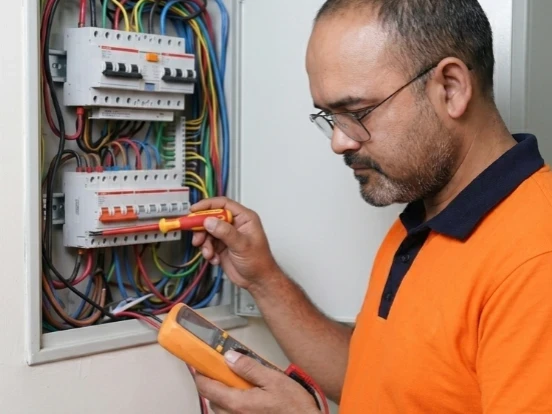
Professional inspections can identify hidden risks before they become serious problems.
An electrical inspection can detect:
Faulty wiring
Loose connections
Overloaded circuits
Grounding issues
Fire hazards
Regular inspections are especially important for older homes and newly renovated properties.
Warning Signs You Should Never Ignore
Call a professional electrician immediately if you notice:
Burning smell from switches or outlets
Repeated circuit breaker trips
Electric shocks from appliances
Sparking outlets
Hot electrical panels
Flickering lights throughout the house
These signs often indicate serious electrical issues that require professional attention.
Consider an Electrical Safety Audit
An electrical safety audit is a detailed inspection of your home’s electrical system.
The audit helps identify:
Unsafe wiring
Electrical overloads
Fire risks
Faulty equipment
Energy efficiency issues
For homeowners, an electrical safety audit provides peace of mind and helps prevent costly future repairs.
Why Choose Sajilo Sewa for Electrical Services?
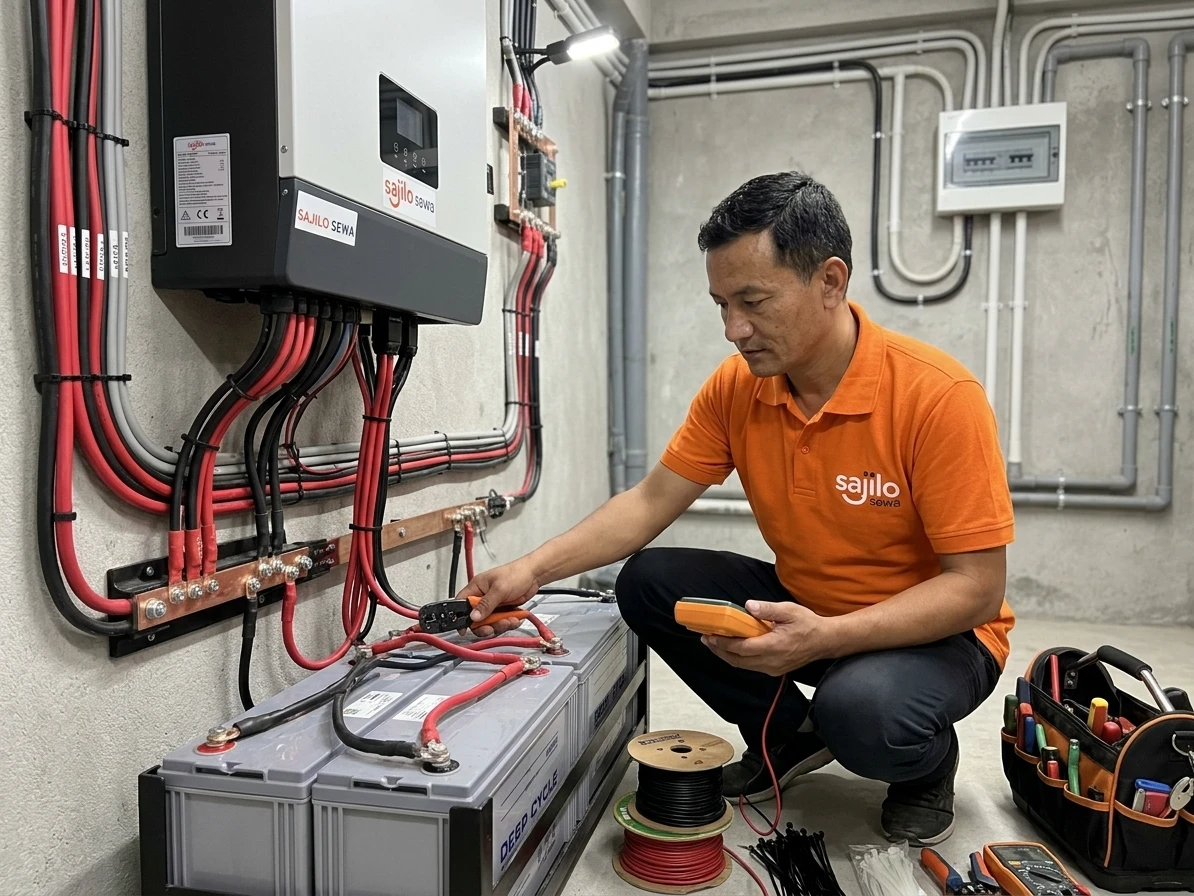
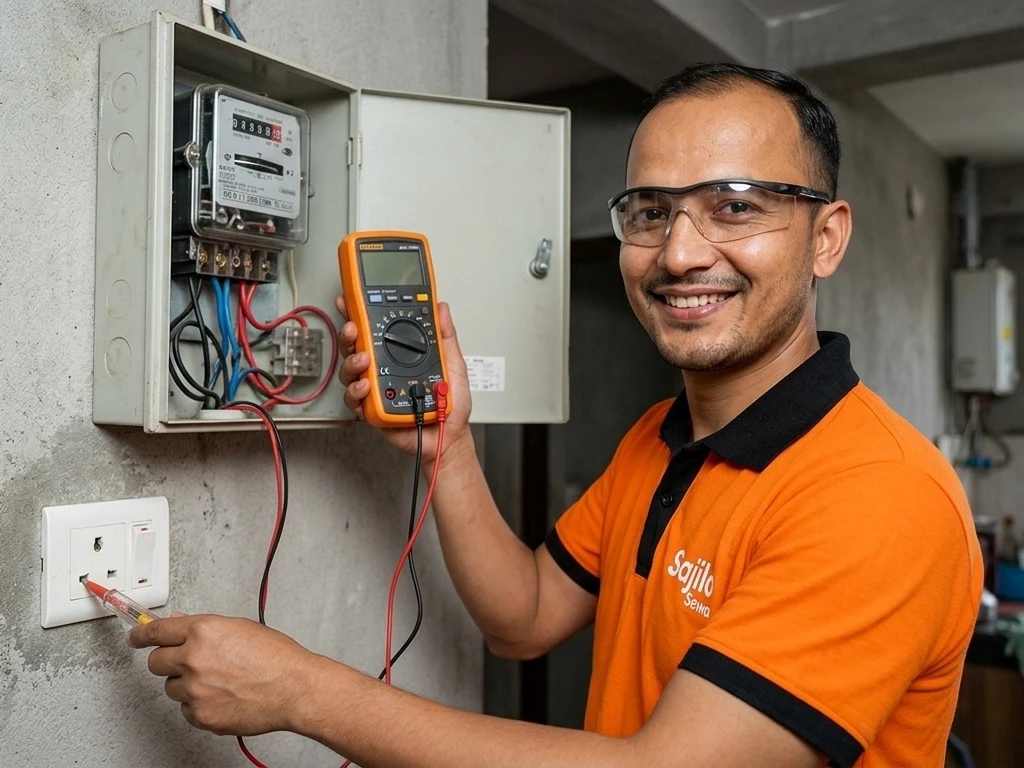
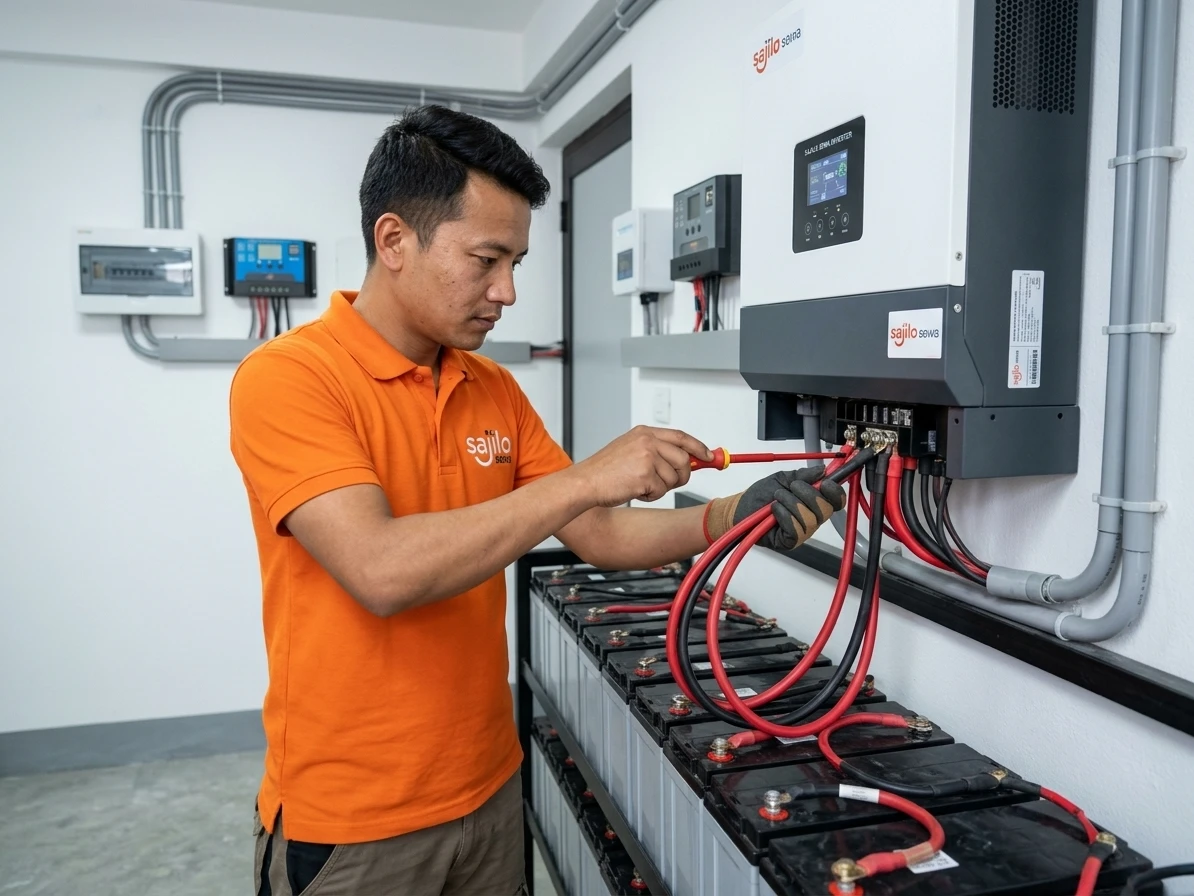
Sajilo Sewa provides professional electrical services and safety inspections across Kathmandu Valley.
Our Services Include:
Electrical repairs
Electrical safety audits
Wiring inspections
Switch and socket replacement
Lighting installation
Preventive electrical maintenance
Why Homeowners Trust Sajilo Sewa:
✅ Verified electricians
✅ Easy booking through the Sajilo App
✅ Transparent pricing
✅ Professional service
✅ Quick response time
✅ 30-day service warranty on eligible services
📱 Book an Electrical Inspection Today
Electrical safety should never be taken lightly.
Whether you’re experiencing electrical issues or simply want peace of mind, a professional inspection can help identify hidden risks before they become serious hazards.
Book an electrician through the Sajilo App and keep your home safe for your family.
❓ Frequently Asked Questions
1. How often should I have my home’s electrical system inspected?
It is recommended to have a professional inspection every 1–2 years, especially for older homes.
2. What causes electrical fires in homes?
Common causes include faulty wiring, overloaded circuits, damaged outlets, and improper electrical installations.
3. Are voltage fluctuations harmful to appliances?
Yes. Frequent voltage fluctuations can damage electronic devices and reduce appliance lifespan.
4. What should I do if a socket sparks?
Stop using the socket immediately and contact a professional electrician for inspection and repair.
5. What is an electrical safety audit?
An electrical safety audit is a professional assessment of your home’s electrical system to identify safety hazards and maintenance requirements.
6. Does Sajilo Sewa provide electrical safety audits?
Yes. Sajilo Sewa offers electrical safety audits, inspections, repairs, and preventive maintenance services throughout Kathmandu Valley.
The Sajilo Editorial team is made up of our service leads, project managers, and customer experience folks. We write to make home-running less stressful.
See all articles